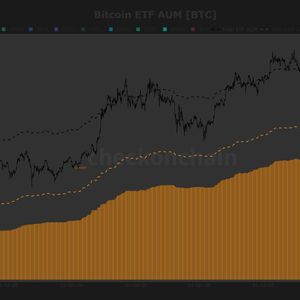
BitcoinWorld Revealing the Coinbase Negative Premium: Why U.S. Institutional Demand is Weakening Have you checked the Coinbase negative premium lately? A critical market signal just flashed red, with the premium widening to a concerning -$57. This development reveals weakening appetite from a key player: U.S. institutional investors. Understanding this metric is crucial for anyone tracking Bitcoin’s true momentum. What Exactly is the Coinbase Negative Premium? The Coinbase negative premium is a simple but powerful gauge. It measures the price difference for Bitcoin between the U.S.-based Coinbase exchange and major global platforms like Binance. When this number turns negative, it means BTC is trading at a discount on Coinbase. This typically signals that selling pressure from U.S. entities outweighs buying pressure. The recent plunge to -$57, as reported by CryptoQuant, is a significant move that demands our attention. Why is U.S. Institutional Demand Weakening Now? This widening Coinbase negative premium doesn’t happen in a vacuum. Analysts point to a perfect storm of factors driving institutional money to the sidelines. Let’s break down the key reasons: Year-End Portfolio Management: Institutions often rebalance and de-risk their holdings as the fiscal year closes. Profit-Taking Activity: After periods of gains, large players secure profits, creating sell-side pressure. Tax-Loss Harvesting and Selling: Strategic selling for tax purposes can increase market supply. Spot BTC ETF Outflows: Recent net outflows from these popular funds directly reduce institutional buying power. This combination suggests institutions are currently in an exit phase, preferring liquidity over exposure. What Does This Mean for Bitcoin’s Price Trajectory? The implications of a sustained Coinbase negative premium are clear for Bitcoin’s near-term path. The analysis concludes that upward momentum will likely remain limited until this premium returns to positive territory. Essentially, the market lacks a major engine for growth without strong, consistent institutional buying from the United States. While retail sentiment or international demand can provide support, a true bullish breakout often requires institutional conviction, which this metric shows is currently absent. How Can Traders and Investors Use This Insight? This isn’t just a data point; it’s an actionable signal. The widening Coinbase negative premium serves as a caution flag. For traders, it suggests adopting a more defensive stance or waiting for the premium to stabilize before expecting significant rallies. For long-term investors, it highlights the importance of monitoring institutional flows alongside other fundamentals. Remember, this metric is one piece of the puzzle, but a vital one for gauging professional market sentiment. The Bottom Line on the Current Market Signal The message from the -$57 Coinbase negative premium is unambiguous: institutional demand is weak. This creates a headwind for Bitcoin’s price. However, markets are cyclical. Monitoring when this premium narrows or turns positive will be the first sign of institutional money returning. Until then, the market narrative is one of caution and consolidation, driven by a key group stepping back. Frequently Asked Questions (FAQs) What is the Coinbase Premium? The Coinbase Premium is the price difference for a cryptocurrency, like Bitcoin, between the Coinbase Pro exchange (favored by U.S. institutions) and other major global exchanges. A negative premium means it’s cheaper on Coinbase. Why does a negative premium suggest weak institutional demand? Coinbase is a primary gateway for U.S. institutional investors. When Bitcoin trades at a discount there, it indicates higher selling pressure from these large players compared to buyers, signaling reduced demand. Is a negative premium always bad for Bitcoin’s price? While it often acts as a near-term headwind, it’s not a permanent predictor. It reflects current sentiment. A return to a positive premium is typically needed for sustained upward momentum driven by institutional inflows. How often does this premium data update? The premium is calculated in real-time based on live order book data from exchanges. Analytics platforms like CryptoQuant track and report it continuously. Can retail buying overcome weak institutional demand? Retail buying can provide support, but institutional capital volumes are typically much larger. Strong, sustained rallies often require participation from both groups. Where can I track the Coinbase Premium myself? You can monitor this metric on cryptocurrency data analytics websites such as CryptoQuant, which provide charts and analysis of the exchange premium. Share This Insight Did this breakdown of the Coinbase negative premium help you understand the market’s current pulse? If you found this analysis valuable, share it with your network on Twitter, LinkedIn, or your favorite crypto community. Helping others decode complex signals strengthens the entire ecosystem. To learn more about the latest Bitcoin market trends, explore our article on key developments shaping Bitcoin institutional adoption and price action. This post Revealing the Coinbase Negative Premium: Why U.S. Institutional Demand is Weakening first appeared on BitcoinWorld .