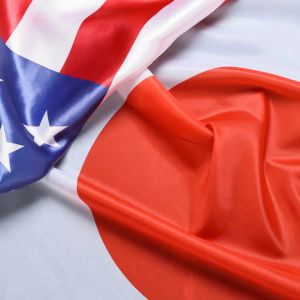
The United States has officially lowered import tariffs on Japanese cars and auto parts to 15% from the previous 27.5%, marking a major step in the trade pact between the world’s largest and third-largest economies. The revised duty structure, enacted through an executive order signed by President Trump on September 4, directs U.S. Customs and Border Protection to collect the reduced 15% rate on passenger cars, light trucks, and auto parts from Japan. The change took effect at 12:01 a.m. Eastern Daylight Time on September 16, applying to goods entered for consumption or withdrawn from warehouses afterward. According to officials, tariffs overpaid on qualifying imports since August 7 will also be refunded. The administration described the tariff cut as part of its broader strategy to rebalance trade relationships and encourage investment within the U.S. However, Commerce Secretary Howard Lutnick cautioned that Japan could face renewed tariff hikes if it fails to meet its investment commitments in America. A few weeks ago, Ryosei Akazawa, the head of Japan’s trade negotiating team, indicated he was leading his cavalry back to Washington to push for swift action on the auto tariff cut. As reported by Cryptopolitan , Chief Cabinet Secretary Yoshimasa Hayashi had also called for quicker issuance of Trump’s executive order to reduce auto tariffs. Tokyo accepts tariff cut with investment pledge After branding the measure as vital to its economic health, Japan had been urging the United States for months to deliver on a pledge to lower tariffs on shipments of automobiles . Japan’s economy is based on the car industry, contributing much of its gross domestic product, exports, and jobs. Passenger cars and parts are the single category that Japan ships to America, so tariff levels are crucial for corporate profits, wages for employees, and the broader industrial competitiveness of a nation. The announcement came after Tokyo promised to support efforts to help anchor the deal with a $550 billion fund focusing on migrating capital into American infrastructure, energy, and technology. American officials have touted the pledge to assist local industries and jobs. But there is still a residue of uncertainty. Washington presented the fund as a direct sponsorship of Trump’s economic agenda; Tokyo, in broader strokes, has called it an investment vehicle following corporate decisions. The absence of interpretation has led to speculation on whether the fund will be translated and politicized over those funds that eventually materialise in the months ahead. And beyond its headline numbers, it also contained the outlines of shared trade opportunities. Japan is committed to improving market access for United States agricultural products such as beef, pork, and dairy. It also vowed to clamp down on approvals of United States-made vehicles. It also telegraphed that both governments would work together in new tech areas like semiconductors, clean energy, and digital infrastructure, seen as strategic to future growth and global competition. Automakers respond to tariff cut Japanese automakers welcomed the news as an answer to their prayers, arguing that it would fuel less uncertainty around supply chains and pricing if duties were to come down. “It’s a good step forward for long-term planning and competitive operations,” one senior Toyota executive said. US auto policy groups were less enthusiastic. The authors noted that Japanese car companies would have a price advantage. Meanwhile, their American competitors were burdened with the higher prices they paid for steel, aluminum, and other supplies. Some lawmakers on Capitol Hill have also pushed back, warning that the agreement could jeopardize American workers as domestic manufacturers continue to lose market share. The deal, economists said, could help spur a rebound in car sales in the United States by lowering retail prices for some of America’s most popular Japanese models. The clause is also retroactive, so importers paying above the correct tariff rate for the last three months, since August, are entitled to refunds aimed at bringing fresh liquidity into the processor sector. Want your project in front of crypto’s top minds? Feature it in our next industry report, where data meets impact.