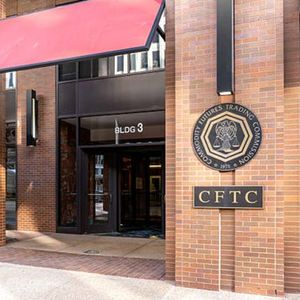
BitcoinWorld Prediction Market Services Face a Critical Crackdown: Connecticut Halts Robinhood and Crypto.com In a move that sends shockwaves through the fintech and crypto sectors, Connecticut has drawn a hard line. State authorities have ordered major platforms, including household names like Robinhood and Crypto.com, to immediately cease offering their prediction market services to residents. This decisive action places a glaring spotlight on the murky regulatory future of these platforms and asks a fundamental question: are they harmless financial tools or illegal gambling operations? What Exactly Did Connecticut Order? Connecticut’s banking and consumer protection authorities issued cease-and-desist directives to several platforms operating without a state license. The list notably includes Robinhood, Crypto.com, and Kalshi. The warning was stark: continuing to provide these prediction market services to Connecticut users could result in criminal liability under the state’s gambling statutes. This isn’t a gentle suggestion; it’s a legal blockade with serious consequences. Why Are Prediction Market Services Under Fire? The core of the conflict is a classic regulatory clash. On one side, state officials view these platforms through the lens of existing gambling laws. Users are essentially placing bets on the outcome of future events, such as election results or economic data. However, the platforms and their advocates argue they are offering a form of financial derivative—a contract whose value is derived from an underlying event—which should fall under federal oversight, not state-by-state gambling rules. This debate is currently playing out in local courts. The final classification will set a powerful precedent, determining not just the legality but the very framework under which these innovative services can operate nationwide. What Are the Immediate Implications? The Connecticut order creates immediate uncertainty for both companies and users. For Platforms: They must swiftly implement geofencing to block Connecticut IP addresses or risk legal action. This complicates their national rollout and adds operational complexity. For Users: Residents of Connecticut lose access to these specific services on popular apps they may use for traditional investing. For the Industry: Other states may follow Connecticut’s lead, creating a patchwork of regulations that stifles innovation and confuses consumers. What Does This Mean for the Future of Crypto and Fintech? This crackdown is a stark reminder that regulatory clarity remains the biggest hurdle for crypto-adjacent innovations. While prediction market services offer a novel way to hedge opinions or gain exposure to real-world events, their legal ambiguity is a major liability. The industry faces a critical choice: engage proactively with regulators to shape sensible rules or face reactive, restrictive bans that vary from state to state. Conclusion: A Pivotal Moment for Market Innovation Connecticut’s aggressive stance is more than a local issue; it’s a bellwether. The state’s action forces a necessary, albeit painful, conversation about how to classify and regulate emerging financial technologies. The outcome will determine whether prediction market services evolve into a legitimate, regulated asset class or are relegated to the shadows as contraband. For investors and innovators alike, the message is clear: navigating the legal landscape is just as important as building the technology. Frequently Asked Questions (FAQs) Q: What are prediction market services? A: They are platforms where users can buy and sell contracts based on the predicted outcome of future events, like who will win an election or whether an economic metric will hit a certain target. Q: Why did Connecticut target Robinhood and Crypto.com? A: State authorities determined these companies were offering these services to Connecticut residents without the required state license for gambling operations. Q: Can I still use Robinhood or Crypto.com in Connecticut? A> Yes, for their core services like stock or cryptocurrency trading. The order specifically targets their prediction market offerings. Q: Could I face legal trouble for using these services before the ban? A> The orders are directed at the companies, not individual users. However, it is now illegal for the companies to provide you access. Q: Will other states do the same? A> It’s possible. Connecticut’s move could encourage other states with strict gambling laws to review and potentially restrict these services. Q: What happens next in this legal battle? A> The courts will decide if these services are gambling or financial derivatives. That ruling will guide future state and federal regulatory action. Share Your Thoughts Is Connecticut’s crackdown a necessary consumer protection move or a barrier to financial innovation? The debate is crucial for the future of fintech. Share this article on social media to spread awareness and join the conversation about the regulation of prediction market services . To learn more about the latest trends in crypto regulation, explore our article on key developments shaping the legal landscape for digital assets and institutional adoption. This post Prediction Market Services Face a Critical Crackdown: Connecticut Halts Robinhood and Crypto.com first appeared on BitcoinWorld .

 Bitwise Exec: Saylor Won't Sell Bitcoins