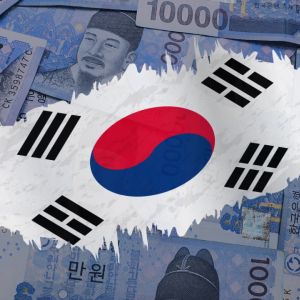
South Korea’s inflation held steady in November, matching October’s pace and reinforcing concerns that price pressures remain sticky despite a slight monthly decline. Policymakers in South Korea are struggling to manage inflation because prices are not declining as quickly as they had hoped. The Ministry of Data and Statistics stated that inflation increased to 2.4%, but their projection had been 2.3%. Core inflation remained close to the central bank’s target of 2%. The weak currency and bad weather make prices go up Inflation in November remains unchanged from October, as the weakness of the South Korean won has made imports very expensive. Businesses have increased prices to cover the high production costs , resulting in higher prices for groceries, gas, and imported goods, such as clothing, electronics, and household items. The country also reversed its fuel-tax subsidies in October, resulting in higher fuel prices, which in turn increased the cost of goods and services nationwide, as transportation and logistics rely heavily on fuel. At the same time, the housing market in Seoul remains strong, despite rising inflation, as apartment prices have continued to rise for the 43rd consecutive week. Rising property costs increase the cost of living for families who rent or own homes, as well as for businesses and industries that rent spaces for their operations. Policymakers predict that low interest rates will drive real estate prices even higher, as many individuals will borrow to invest in the sector. Weather and supply problems also contributed to high prices in November, as rainfall, storms, and other adverse weather conditions disrupted the normal supply of crops, livestock, and fishery products. These products became more expensive for consumers and businesses, and Finance Minister Koo Yun Cheo even said that weather-related problems and supply shortages increased the cost of processed foods. Economists say the Bank of Korea won’t be able to lower interest rates without increasing prices, as the weaker currency is driving inflation significantly. They also explained that the strong demand for the country’s chip and technology industries will likely increase prices, as companies compete for raw materials that are already expensive, leading to even higher production costs. If the bank cuts interest rates too fast, it could push inflation higher instead of easing it, and policymakers will struggle to make complicated and critical decisions for the health of the economy. The Bank of Korea won’t lower interest rates just yet because inflation is still high Board members at the central bank hold different views, as some argue that lowering interest rates will boost household spending and support smaller industries. They argue that people will have more to spend, and businesses will use the extra funds to invest in growth. Others say that people will have more money to spend, so inflation will increase even more because the demand for goods and services will drive up prices. Inflation may also take longer to cool because the Bank of Korea has also raised its inflation outlook for 2025 to 2.1% and lifted its growth forecast for next year. Officials say the weak currency and strong domestic demand could keep inflation above the earlier projection. Governor Rhee Chang Yong even said inflation could remain high for a while, as the won is still weak and its recovery is extremely slow. Sign up to Bybit and start trading with $30,050 in welcome gifts