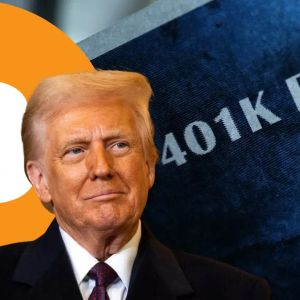
Fiduciary lawsuits are jamming up Trump’s attempt to open up 401(k)s to crypto and private equity. Employers are holding back, terrified of getting sued for offering higher-cost, harder-to-exit investments in retirement plans. The White House signed an executive order last month telling the Labor Department to cut down the legal risks. But legal experts say that won’t erase the threat. The rule that governs 401(k)s forces companies to act in the best interests of employees, a phrase so vague it’s fueled a nonstop wave of lawsuits for twenty years. Hundreds of companies have been dragged to court. Some, like Boeing and Lockheed Martin, paid millions to settle. It’s why most companies just stick to low-fee, basic investments. Offering hedge funds or crypto means getting slapped with a lawsuit, and no one wants to be the test case. Labor Department gets marching orders but can’t kill lawsuits Jennifer Doss, who leads the defined-contribution team at Captrust, said straight up, “The administration can only do so much to curb litigation.” The law’s too broad, and even new rules can’t promise immunity. Trump’s order gave the Labor Secretary six months to put out guidance for how to include alternative investments inside diversified 401(k) funds. The goal is a legal shield, a “safe harbor” rule. But even that can backfire. Lisa Gomez, who ran the Employee Benefits Security Administration under Biden, said employers could still be sued if they mess up any part of the procedure. Daniel Aronowitz, Trump’s pick to lead the EBSA now, told Congress in June he plans to “end the era of regulation by litigation.” He runs Encore Fiduciary, which sells lawsuit insurance to 401(k) plans. Aronowitz wants to give companies room to take on higher-return investments without worrying they’ll get sued if markets go sideways. But the courts won’t just bow to agency memos. Take what happened to Intel. The company dumped some employee funds into private equity and hedge funds about ten years ago. They got sued. They won. But the lawsuit dragged on for years and cost a fortune. That win didn’t give other companies any real confidence. Michael Kreps, who advises employers at Groom Law Group, said flat out: “Frustration over litigation has reached a boiling point.” New rules come fast, but courts still block employers The Labor Department has already started reversing Biden-era warnings. They pulled back on guidance that told small businesses not to offer private equity in their 401(k)s. They also tossed guidance that flagged crypto as a red flag for investigation. That doesn’t mean lawsuits are going away. In July, the agency filed a brief backing HP in court. Employees sued the company for using leftover matching contributions, money forfeited by workers who left early, to fund future matches. The plaintiffs said that money should’ve gone toward lowering costs. HP said they followed their plan documents and IRS rules. The Labor Department agreed with HP. Bradford Campbell, who led EBSA under George W. Bush, said the department is now backing companies more actively. But none of this fixes the deeper legal mess. In April, the Supreme Court made it harder for employers to get early dismissals in 401(k) lawsuits. That decision keeps cases alive longer and raises the cost of defending even if you win. Another Supreme Court ruling last year killed off the Chevron doctrine, which had forced courts to defer to agencies when laws weren’t clear. Douglas Tang, a partner at Patterson Belknap, said that change weakens any guidance that might come out of Trump’s executive order. Congress could change the law to add real safe harbor rules or make it harder for workers to sue, but Tang said, “there appears to be no momentum on such efforts.” So the lawsuits keep coming, and employers keep ducking risk. That’s where things stand. Get up to $30,050 in trading rewards when you join Bybit today
 Aave crashes following governance clash