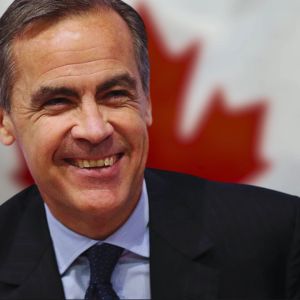
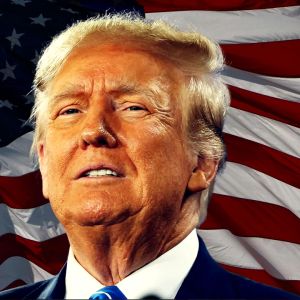
Canada’s Prime Minister Mark Carney is pulling the trigger on a new auto strategy that goes straight at Donald Trump’s push to drag car factories back to the U.S. The plan gives companies that build vehicles in Canada better access to the local market, making it harder for Trump’s tariffs to scare them into leaving. Industry Minister Melanie Joly is expected to roll the whole thing out in February. But officials are already leaking pieces. The goal is simple: stop the bleeding. Since Trump slapped tariffs on foreign cars in April last year, plants have shut down, and jobs have disappeared. General Motors closed one in Ontario. Stellantis ditched plans near Toronto and decided to build Jeeps in Illinois instead. That’s what Canada wants to reverse, fast. Chinese automakers can enter if they play by Canadian rules For the first time ever, Canada will allow Chinese auto companies to assemble cars inside its borders. But they won’t get a free ride. “They’ll need to team up with local firms and use Canadian-built software,” one government source said. The official, who asked not to be named, also made it clear that national security concerns are part of the deal. “It’s about having a secure platform that doesn’t open up tech risks,” the person added. That’s where companies like BlackBerry come in. The new strategy doesn’t stop at attracting factories. It targets electric vehicles, too. It will include mandates to push EV sales, plus new incentives for buyers. The bigger play? Making sure Canada doesn’t stay chained to the U.S. market. “We’ve got free trade with Europe and Asia,” the official said. “We’re not going to just sit here and beg for U.S. access.” Right now, five companies have auto assembly plants in Canada; GM, Stellantis, Ford, Toyota, and Honda. But most of what they build goes straight to the U.S. That’s what Carney wants to change. Canada sold 1.9 million new cars last year, in a country with the same population as California. Most foreign brands don’t even build cars in Canada. Tesla, Nissan, and Kia all serve the market from U.S. or overseas factories. Since Trump’s trade war kicked off, U.S. carmakers are actually losing market share in Canada. Plants in Mexico and South Korea have been gaining instead, according to Statistics Canada data. That’s part of what’s fueling this new policy wave. Carney-Xi deal lowers tariffs and includes EV quota conditions Last week, Carney flew to Beijing and met with President Xi Jinping. The two sides agreed on a trade truce that will allow about 49,000 Chinese EVs to enter Canada each year under a low 6% tariff. That’s a sharp cut from the 100% surtax slapped on them back in 2024. In return, China will ease up on tariffs against Canadian farm exports and open the door for visa-free travel for Canadian citizens. On the same trip, Joly met with BYD, Chery, and Canadian parts giant Magna. The result? A handshake deal: China gets to export a limited number of EVs now, but those firms have to seriously explore investing in Canada. “We’ll check back in three years,” the official said. “If they don’t follow through, the deal’s off.” The arrangement comes with a price cap clause. Part of the quota has to be filled with EVs costing C$35,000 or less. That mostly benefits Chinese brands, who already build cheaper models. Canada also wants to start certifying more of those models over time, instead of relying on just Tesla to fill demand. Some in Washington were caught off guard, but not the top guy. Trump didn’t seem too bothered. “That’s OK, that’s what he should be doing,” he told reporters when asked about the Carney–Xi deal. “If you can get a deal with China you should do that.” Still, there’s risk. This agreement could stir tension as Canada, the U.S., and Mexico prepare to review their trilateral trade deal. The government says it briefed U.S. Trade Rep Jamieson Greer ahead of time to avoid surprises. The bigger ambition? Less reliance on Washington altogether. Want your project in front of crypto’s top minds? Feature it in our next industry report, where data meets impact.