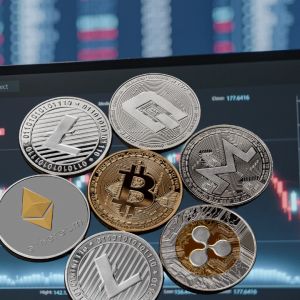
Speculation has emerged within the digital asset community regarding how XRP’s valuation could change if it were ever recognized by the Bank for International Settlements (BIS) as a Tier-1 asset. While such an outcome remains hypothetical, recent commentary from industry figures has renewed debate about the regulatory future of cryptocurrencies and their possible role within the global banking system. The discussion gained attention after Jake Claver, Chief Executive Officer of Digital Ascension Group, stated on X that XRP may be progressing toward use as a global settlement bridge. He further suggested that, over time, XRP could potentially receive recognition from the BIS at the highest regulatory level. His remarks have encouraged renewed examination of what Tier-1 classification means and whether such a designation is realistically achievable for a crypto asset. XRP is looking more and more like it will claim it's spot as a global bridge asset and possibly be recognized by the BIS as tier-one asset in the future. — Jake Claver, QFOP (@beyond_broke) January 6, 2026 The Tier-1 Assets Under BIS Standards Under the Basel framework developed by the BIS, Tier-1 assets represent the strongest and most reliable components of a bank’s capital structure. These assets are designed to absorb losses during periods of financial stress and form the foundation of a bank’s solvency position. Regulators require institutions to maintain strict minimum thresholds of Tier-1 capital to ensure systemic stability. Tier-1 capital is divided into two categories. The first, Common Equity Tier-1 (CET1), consists of common shares, retained earnings, and disclosed reserves. Banks are required to hold CET1 capital equal to at least 4.5% of their risk-weighted assets. The second category, Additional Tier-1 capital, includes instruments such as contingent convertible bonds that can absorb losses by converting to equity or being written down if a bank’s financial condition deteriorates. Assets traditionally associated with Tier-1 treatment include cash held at central banks, high-quality sovereign debt issued in domestic currency by highly rated governments, and fully allocated physical gold held directly by financial institutions. How Cryptocurrencies Are Currently Classified At present, cryptocurrencies do not fall within the Tier-1 category under BIS regulations. Instead, the BIS has introduced a separate framework that governs how banks may interact with digital assets. This framework divides crypto assets into two broad groups based on their risk characteristics. Group 1 includes tokenized versions of traditional assets and certain stablecoins that meet stringent backing, redemption, and governance requirements. When these conditions are satisfied, banks may treat such instruments similarly to the assets they represent. Algorithmic stablecoins, however, are excluded from this group. We are on X, follow us to connect with us :- @TimesTabloid1 — TimesTabloid (@TimesTabloid1) June 15, 2025 Group 2 encompasses unbacked cryptocurrencies, including XRP, Bitcoin, and Ethereum. These assets face the most restrictive capital requirements. Banks are generally limited to holding small exposures to Group 2 assets, often capped at 1% to 2% of their Tier-1 capital, reflecting regulatory concerns about volatility and risk. Hypothetical Impact of Tier-1 Recognition on XRP Despite these limitations, some XRP supporters continue to explore scenarios in which regulatory treatment could evolve. Claver’s comments contributed to renewed discussion about the potential consequences if XRP were ever removed from the Group 2 category and granted Tier-1 recognition. To assess this possibility, an analysis was conducted using Google Gemini AI. According to Gemini, a reclassification of XRP to Tier-1 status would fundamentally alter how banks could engage with the asset. Financial institutions would no longer face punitive capital charges and could potentially treat XRP like reserve assets. Under a purely hypothetical scenario in which such regulatory changes occurred by 2026, Gemini estimated that XRP’s price could range between $15 and $22, driven by increased institutional demand and broader integration into financial infrastructure. It’s essential to highlight that BIS regulations do not allow unbacked cryptocurrencies to be categorized as Tier-1 assets. The Basel framework reserves this classification for traditional capital components, sovereign exposures, and physical gold. Digital assets operate under a distinct regulatory structure specifically designed to reflect their higher risk profile. Any upgrade in XRP’s regulatory standing would require a fundamental reassessment of how international regulators evaluate digital assets. Without clear evidence of long-term stability, systemic relevance, and consistent institutional use, existing capital rules are unlikely to change. As things stand, Tier-1 classification remains a speculative concept rather than a realistic regulatory milestone. Disclaimer : This content is meant to inform and should not be considered financial advice. The views expressed in this article may include the author’s personal opinions and do not represent Times Tabloid’s opinion. Readers are urged to do in-depth research before making any investment decisions. Any action taken by the reader is strictly at their own risk. Times Tabloid is not responsible for any financial losses. Follow us on Twitter , Facebook , Telegram , and Google News The post BIS Tier-1 Asset Status: XRP Ready to Claim Its Spot in Global Finance appeared first on Times Tabloid .